
The fast fashion industry refers to the cheap fashion brands that are prevalent throughout malls, advertisements, and runways. They are known for selling inexpensive clothes with frequent sales and markdowns, and they release new clothes weekly or even daily. This industry is how most consumers obtain their clothes; it includes popular brands like Forever 21, H&M, Zara, Topshop, Nike, Fashion Nova, ASOS, Charlotte Russe, Victoria’s Secret, Urban Outfitters, and many more. Despite its huge impact on the clothing industry, fast fashion poses several ethical, health, and environmental issues.

Fast fashion brands constantly release new clothing and trends to make us feel behind the times. These stores will fabricate obsolescence for their previous season’s designs in order to influence us and persuade us to buy their newest releases. In order to keep up with their schedule of releasing new designs weekly or daily, some brands have been known to steal original designs from independent artists.
Several brands target women specifically through their advertisements, perpetuating gender stereotypes. They place a burden on women to keep up with trends and to buy clothes for their families during sales. Many of our common biases about women and fashion are a direct result of this industry working tirelessly to persuade women to buy their clothes.
They sell cheaply produced, poor quality clothing, priced much higher than what it is worth. Often fast fashion companies will hold the quality of their clothes to the bare minimum that they must be to sell. They do not focus on the longevity of their pieces because they want their costs of production to be as cheap as possible.
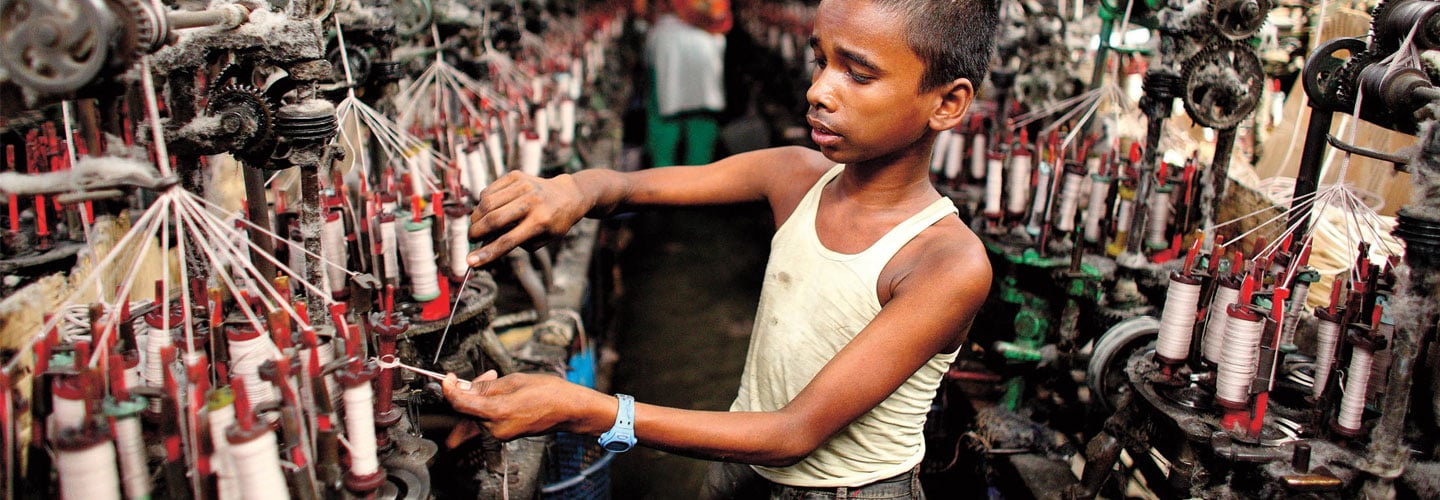
They use unethical labor, including factories and sweatshops with terrible conditions, child labor, and drastically underpaid workers. 98% of workers in the apparel industry make less than a livable wage, and many face health risks from working in poor conditions. Some fast fashion companies also exploit children for labor, with inhumanely long hours robbing them of their chance at receiving an education.
Perhaps the most far reaching issue with the fast fashion industry is its detrimental effects on the environment. Their factories and production methods drastically pollute the environment and waste resources, perpetuating climate change. Polyester is the most commonly used fabric in clothes that are produced, and this material is a non-biodegradable, polluting plastic made from fossil fuels. Most of the billions of clothing items that are produced on our planet every year contain polyester, which will never degrade or go away. When we wash polyester clothes, micro-plastics enter the water, and our water cycle eventually carries them to the oceans, where sea creatures inevitably consume them. Polyester also requires exorbitant amounts of energy to produce; therefore the fashion industry accounts for 10% of the total carbon output in the entire world – 5x more carbon output than the entire airline industry.
Furthermore, fast fashion is the 2nd largest global polluter of fresh water. When clothing products are dyed, they release excess dyes that contain toxic chemicals into local fresh water supplies. Many rivers in China and Bangladesh have been turned abnormal colors due to pollution from these dyes. This causes significant health issues for both workers and people living near the factories and rivers. Moreover, as consumers, when we buy these clothes, this allows the toxic dyes to come in contact with our skin. In addition to polluting water, the fashion industry also uses a significant amount of water in the process of making clothes. For example, it takes 200 gallons of water to make one pair of jeans. With clothing being produced at such quick rates, the process of creating these clothes wastes an enormous amount of water.

Another environmental issue with the fast fashion industry is that they burn and waste clothes that are in wearable condition, rather than donating them. Many brands do not want to give them away or sell their unsold clothing for lower prices because they state that it would harm their image. Due to these policies, the methods they adopt for discarding unsold clothes are extremely disastrous for the earth. Burning these clothes releases chemicals into the atmosphere and perpetuates global warming. Along with the issue of industries discarding their clothes, there is also a huge issue with consumers discarding unwanted clothes. Many of these items are thrown away adding tons of unnecessary waste to our landfills each year.


Taking into consideration fast fashion’s wasting water, polluting fresh water sources, using fossil fuels and polyester, and burning of clothes, it is evident that this industry plays a major role in modern day climate change. Since 80% of those who are employed in the apparel industry are women, this also reflects inequity in the effects of climate change. In general, women face greater negative impacts from climate change, and the unhealthy conditions in fast fashion factories are just one example of this disparity. Overall, fast fashion exemplifies a significant lack of ethics and lack of conscientiousness for the earth, causing it to have terrible effects on our environment.
Sources / More Info
5 Truths the Fast Fashion Industry Doesn’t Want You to Know – Article by Shannon Whitehead
Crammed into squalid factories to produce clothes… – Article by Isabel Hunter
Fast Fashion is the Second Dirtiest Industry… – Article by Glynis Sweeny
The Environmental Costs of Fast Fashion – Article by Patsy Perry
The High Cost of Our Cheap Fashion – TED Talk by Maxine Bédat
 Secondhand Sustainability